
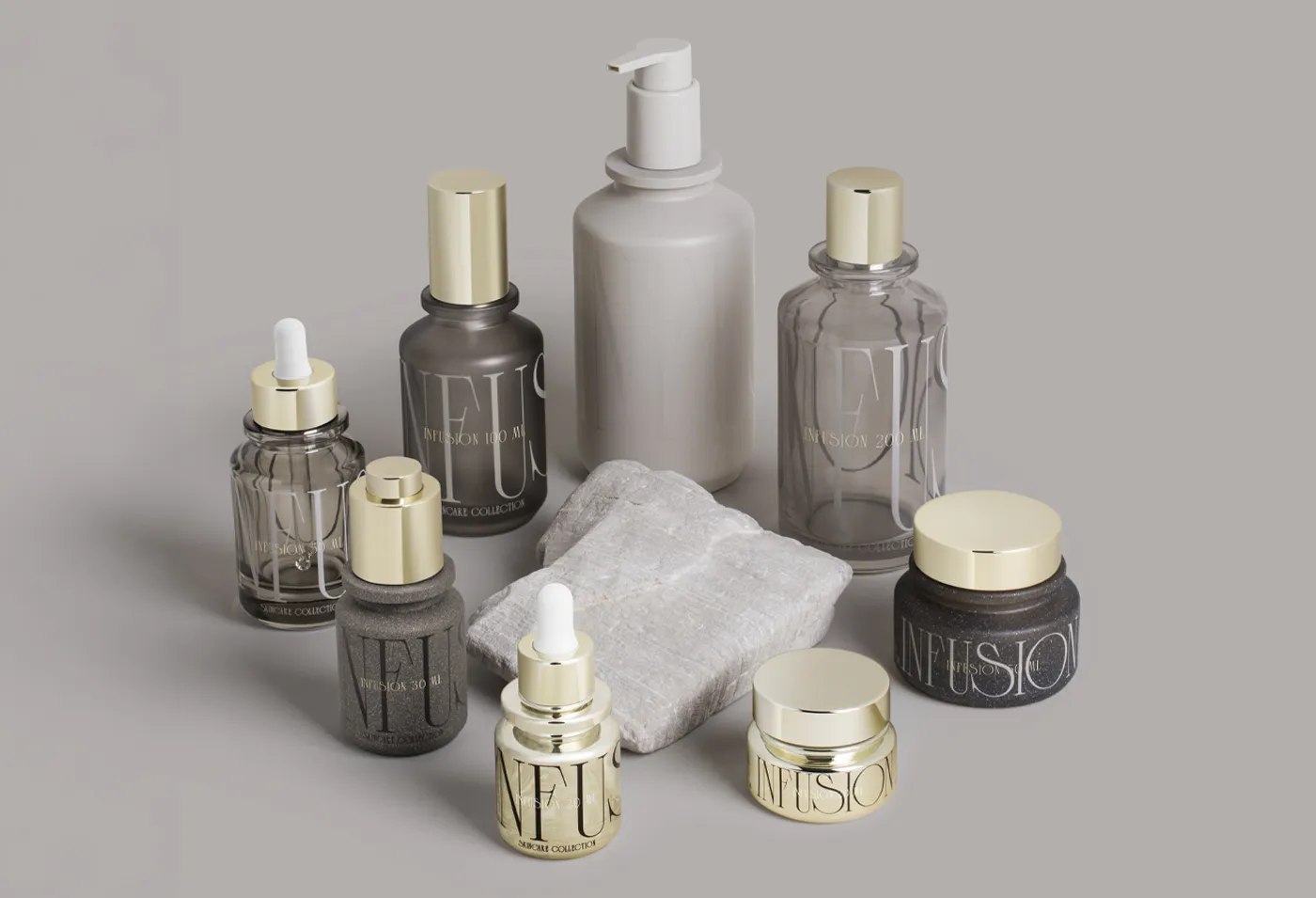

In skincare, packaging helps determine whether a formula stays stable, hygienic, and easy to use. For many brands, glass is a practical option when you need a premium look, strong barrier properties, and reliable compatibility with caps, pumps, or droppers.
Why glass is a smart choice for cosmetic products
Glass is inert, meaning it does not react with most cosmetic ingredients. That matters for products with actives, essential oils, or low-preservative systems where interactions can affect scent, color, or performance.
It also supports common goals such as sustainable cosmetic packaging, consistent dosing, and a high-end unboxing experience.

Key advantages include:
- Recyclability and reuse: glass can be recycled repeatedly
- Premium shelf presence: supported by weight, clarity, and surface finishes
- Strong barrier protection: glass keeps out oxygen and moisture better than many plastics
Understanding key specifications before you buy
When you compare bottles, details determine whether your filling line runs smoothly and whether the consumer experience matches your product.
Volume and headspace
Start with the required fill volume, such as 30 ml, 50 ml, or 100 ml. Also consider headspace, the empty space above the product. A pump or dropper takes up part of that volume.
Color and light protection
Clear (flint) glass highlights the formula color and works well for stable products. Amber glass helps reduce light exposure and is common for oils and botanical extracts. Opal glass offers a clean, clinical look and gives some protection against light, although less than amber. Frosted finishes can hide fingerprints while keeping a premium feel.
If you are sourcing multiple formats, review a curated selection of glass skincare bottles to compare sizes, colors, and finishes.
Neck finish and closure compatibility
Neck finish, also called thread finish, is the standardized measurement of the bottle opening and thread, for example 18/400 or 24/410. The first number is the approximate neck diameter in millimeters. The second number refers to the thread style.
A cap, pump, or dropper must match the same finish to seal correctly. A mismatch can cause leaks, poor torque performance, or inconsistent dispensing.
When a dropper bottle makes sense
Droppers are popular for serums, facial oils, and concentrates where controlled small-dose dispensing is part of the routine. A dropper system typically includes a pipette, bulb, and cap, and may use an insert to improve wiping and dosing.
If you want precise, drop-by-drop dosing, consider a dedicated glass dropper format and confirm the finish so the closure fits the bottle.
A practical checklist for selecting the right bottle
- Define the product category: toner, lotion, serum, oil, or concentrate
- Choose the dispensing method based on viscosity and user routine
- Confirm the neck finish and match the same standard across bottle and closure
- Select glass color and finish based on light sensitivity and brand look
- Check secondary packaging and shipping protection for heavier glass
Glass works best when the bottle, closure, and formula are chosen together. Start with how the product will be used, confirm the technical details with your supplier, and test samples on your filling line before you place a larger order.